Meet Photini
A Samaritan woman who encountered Jesus at Jacob’s well. Jesus revealed His identity to her as the Messiah, making her one of the first recorded evangelists in the Gospel of John. Her story highlights revelation, transformation, and the breaking of social and cultural barriers.

“Come, see a man who told me everything I ever did. Could this be the Messiah?” - John 4:29

Dive a Little Deeper
Meet Her Family
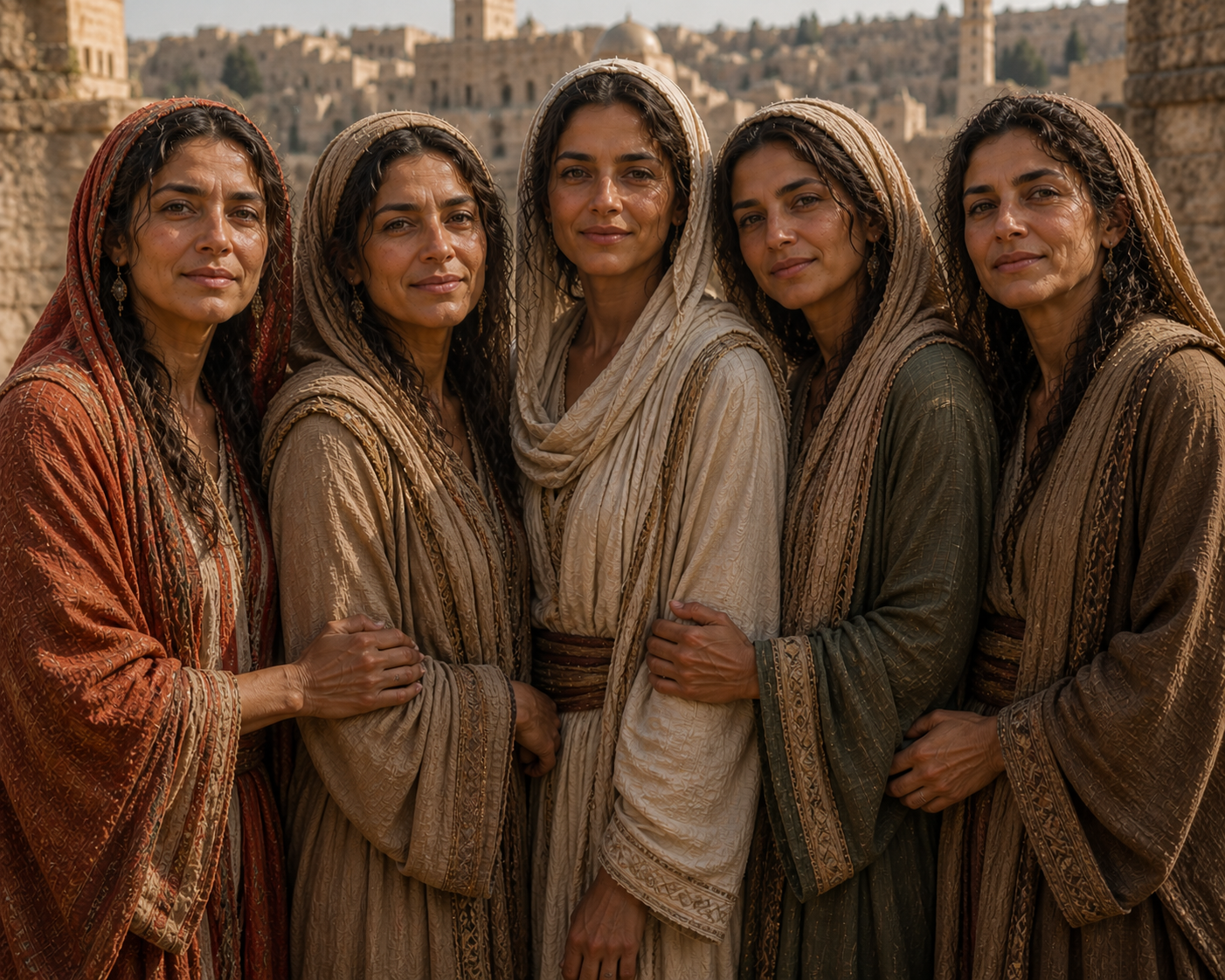
Her 5 sisters

Anatole (or Anatolia)
Photo (or Phota)
Photis
Paraskeve (or Praskevi)
Kyriake (or Cyriaca
Her 2 sons
Victor
Joses
FAQs
Why did the Samaritan woman have five husbands?
The Bible does not explain why the Samaritan woman had five husbands. However, she is never called an adulterer, and Jesus does not accuse her of sexual immorality. This suggests her multiple marriages may have been due to cultural circumstances such as widowhood or divorce, which were common in that time. Her situation reflects complexity and hardship rather than clear moral condemnation.
Why did the Samaritan woman go to the well at noon?
Women typically drew water in the early morning or evening when it was cooler. Going at noon—during the hottest part of the day—strongly suggests the Samaritan woman was an outcast. Traveling alone at that time would have been unusual and even dangerous, indicating she was likely avoiding others due to social rejection.
What did Jesus mean by “living water”?
“Living water” refers to the spiritual life and renewal that comes from God. It represents a deeper fulfillment beyond physical needs—one that satisfies the soul. Jesus used this phrase to explain that those who receive what He offers will no longer need to rely on temporary sources of satisfaction, but will be continually sustained through a relationship with God.